Professor Liu Dongguang Answers Questions from Reporters

From China's Demographic Reality, What Kind of Elderly Care Robots Are Most Needed?
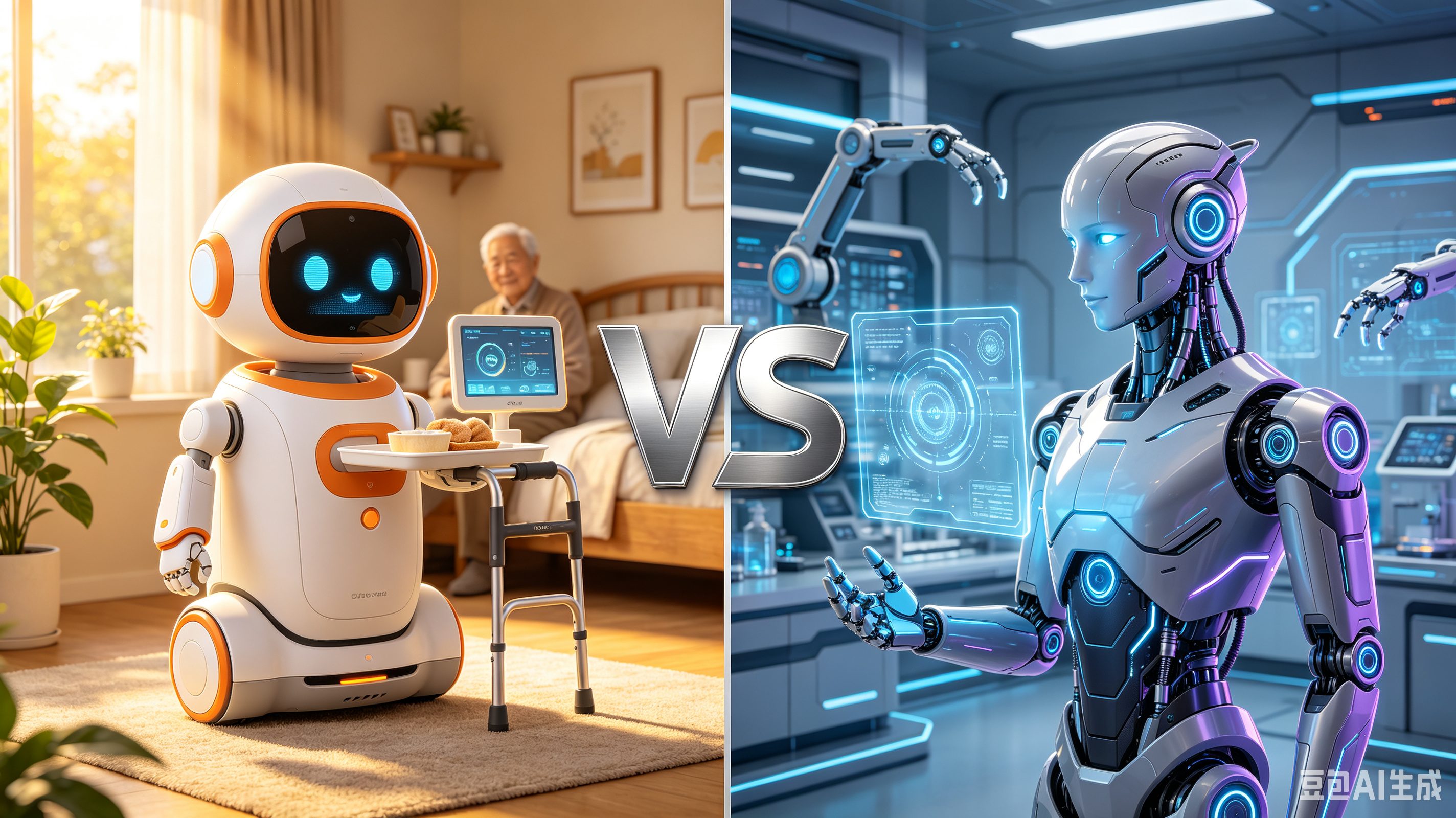
Combining China's current elderly care landscape, the Integrated Care and Rehabilitation Robot (ICRR) system for bedridden, disabled seniors is the most demand-aligned solution. Elderly care robots are primarily categorized into companionship, rehabilitation, and caregiving types. Grounded in China's national context, caregiving and rehabilitation robots address the critical needs of disabled seniors.
I. Core Needs of China's Elderly Care Market for Nursing Robots
(1) Urgent Need for Caregiver-Substituting Care Robots
China's aging population is deepening, creating immense pressure on elderly care. There is a significant shortage of professional caregivers, making it urgent to deploy robots to address the labor gap:
1. Large elderly population: Approximately 1.8 billion people aged 65 and above, with a growing trend. There are over 800 million empty-nest seniors, more than 1000 million with dementia, and 4400 million who are disabled or partially disabled.
2. Severe Shortage of Caregivers: With only 50 million professional caregivers for disabled elderly currently available, and the international standard being one caregiver per 3 disabled seniors, the gap exceeds 1000 million. Care robots are the ideal solution to replace human caregiving.
(II) Urgent Need for Multi-Robot Collaborative Nursing Systems
Single-function standalone care robots cannot meet the multi-scenario care needs of bedridden, disabled seniors. Our flexible, multi-robot collaborative system can autonomously or assistively perform transfers from bed to chair, indoor and outdoor mobility, toileting and bathing, and rehabilitation training—partially or fully replacing human caregivers. It is the optimal solution to address the nursing staff shortage.
(3) Care robots urgently needed for home and community settings
China adopts a 9073 elderly care model, with over 90% of care needs concentrated in homes and communities. However, existing care robots generally struggle to adapt to home environments:
1. Companion robots lack intelligence and practicality, resulting in low adoption among seniors.
2. Most care robots operate as standalone units with single functions. Multi-robot setups often suffer from poor coordination, high costs, and excessive space requirements, making them unsuitable for typical home layouts.
3. High-end foreign care devices are prohibitively expensive (e.g., bathing machines cost 50–120K), and China's pension subsidies and long-term care insurance systems remain underdeveloped, limiting widespread adoption.
4. Europe's AAL environment-assisted living systems are designed only for non-disabled seniors and require home modifications, failing to meet the care needs of those with moderate to severe disabilities.
(4) Urgent Need for Inclusive Nursing Robots
With per capita annual income in our country just surpassing 1 thousand USD, the ability to pay for elderly care and nursing services remains limited. Coupled with insufficient government subsidies and long-term care insurance still being piloted, cost-effective, inclusive nursing robots are better aligned with current market realities.
(5) Urgent Need for a Multi-Functional Collaborative System for Bedridden Elderly
Elderly individuals with disabilities typically have multiple care needs, yet current technology struggles to deliver a single multi-functional robot for home use. Key challenges include: (1) insufficient capability of a single device to perform complex caregiving tasks; (2) bulky form factors that hinder usability in home environments; and (3) immature high-precision sensing and intelligent control technologies. In contrast, a collaborative multi-device care system offers higher technical feasibility, lower costs, and represents the most viable path forward for addressing disability-related care.
2. China's Key Development Direction: Systematic Care Robots for Home Use
1. Among the three categories of elderly care robots, only caregiving robots with physical assistance capabilities address the critical need for caring for millions of disabled seniors (Qu Daokui, Vice President of China Robotics Association).
2. Existing care robots are limited in functionality, bulky in size, and unable to meet diverse needs individually. Multi-unit procurement is costly, and they struggle to fit into typical home spaces.
3. The EU AAL system only serves elderly people with mild disabilities and is not suitable for those with moderate to severe disabilities, failing to meet China's mainstream care needs.
Considering the scale of disabled elderly, caregiver shortages, home care needs, and gaps in current products, China should prioritize developing home-based nursing robot systems that are smart, affordable, and capable of meeting multiple disability care requirements. These systems must include core functionalities and be priced at around 10 thousand yuan for the full set:
- Assists elderly users in getting on/off beds and moving indoors
- Assist seniors with toileting, bathing, and eating
- Ensure smooth transit between rooms, bathrooms, and restrooms
III. ICRR Integrated Health Care Robot System Adaptation Plan
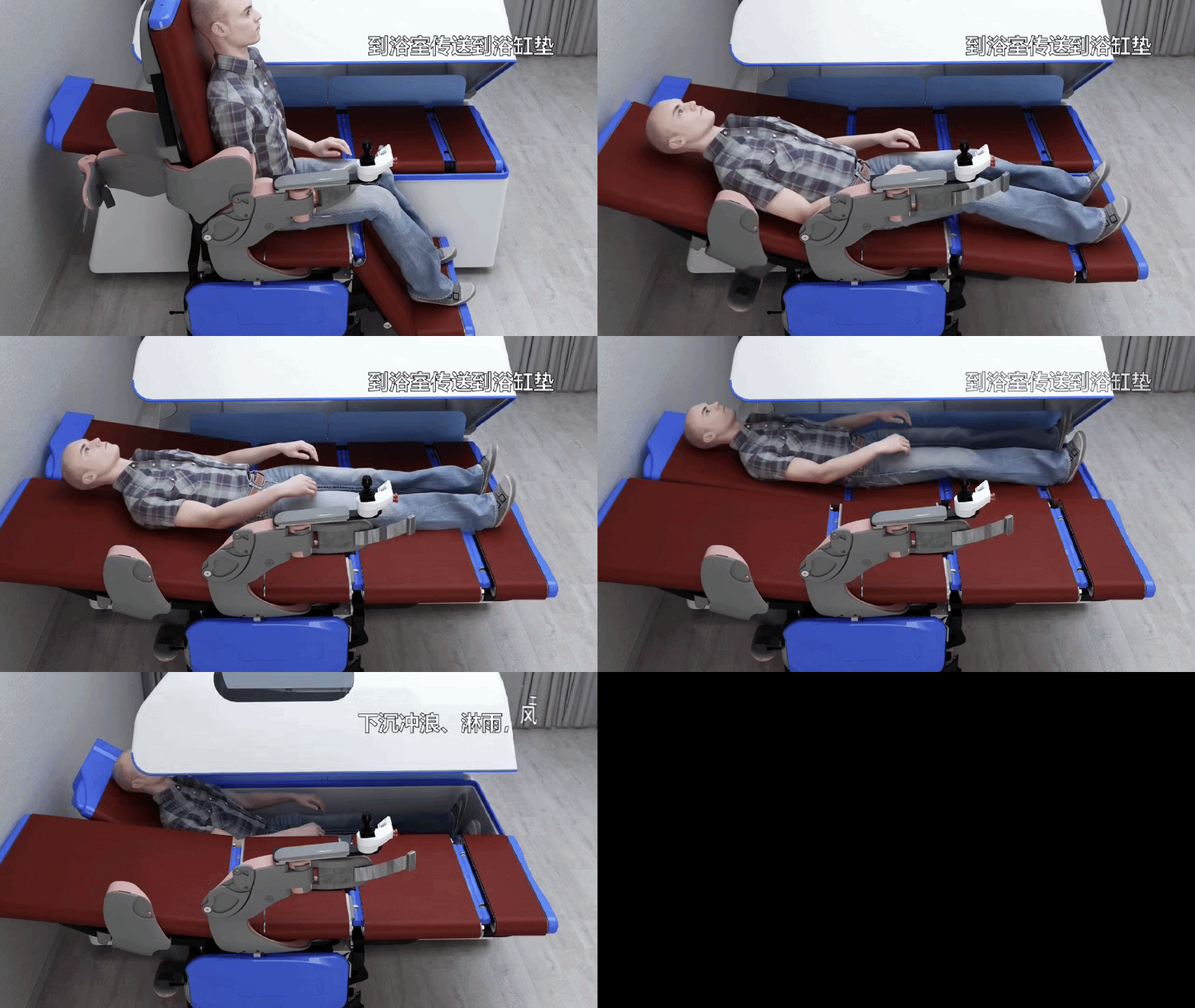
ICRR Integrated Health Care Robot System, developed by Guangzhou RouRou Robotics Co., Ltd., precisely meets the aforementioned requirements. The system comprises a conveyor-style bed-chair, a conveyor-style bathtub, and an intelligent toilet with waste extraction functionality, available in both fully automated and semi-automated versions:
- Fully Intelligent Model: Seniors can move from bed to chair to toilet/bathtub and back with just voice commands or a single-button operation.
- Semi-Automatic Model: A single caregiver can operate or push the device to complete the full care process.
This system comprehensively addresses the core care needs of disabled seniors, priced under 10 ten thousand yuan. With its clear cost-performance advantage, it has entered pilot phase for pre-mass production scenario applications and is an ideal choice for home-based care of disabled elderly individuals.
Share this article
Related Reading
Roujiren Health Care Robot System: The World's Leading Elderly Care Robot? — Liu Dongguang